
As coastal breezes shift across Brevard County, residential wildlife patterns undergo a seasonal transition that catches many Space Coast property owners unprepared. While northern states experience freezes, East Central Florida’s climate prompts native species to seek storm-resistant nesting zones within residential architecture before winter rains arrive. Across Melbourne, from Eau Gallie and Lake Washington to Viera and Suntree, nuisance animals exploit structural compromises to infiltrate attics and crawlspaces. Implementing structured fall wildlife proofing Melbourne FL homeowners can depend on is an essential structural defense measure that prevents electrical wiring damage, destroyed insulation, and costly pathogen contamination.
Executing thorough wildlife prevention Florida home protocols requires understanding how local coastal weather and regional architecture create vulnerability zones. During October and November, late hurricane season weather leaves behind loose soffit panels, shifted barrel roof tiles, and warped fascia boards. Addressing these vulnerabilities proactively through physical exclusion and habitat modification establishes an impenetrable barrier that keeps unwanted wildlife outdoors. The focus phrase Fall Wildlife Proofing Melbourne FL should appear naturally.
Fall Wildlife Proofing Melbourne FL
Coastal Climate Impacts
Melbourne’s position along Florida’s Space Coast creates an ecological corridor where coastal maritime hammocks converge with residential subdivisions. Between late summer and autumn, high humidity and tropical rains soften wooden fascia trim, degrade caulking, and rust metal fasteners. As nighttime temperatures dip into the 50s and 60s following seasonal cold fronts, roof rats, northern raccoons, gray squirrels, and Brazilian free-tailed bats detect escaping warm air currents, prompting them to target these thermal plumes as secure nesting sanctuaries. Fall Wildlife Proofing Melbourne FL helps homeowners reduce risks by sealing entry points and maintaining venting and weatherstripping to stabilize indoor climates.
Neighborhoods bordered by Crane Creek, the Eau Gallie River, and the Indian River Lagoon provide abundant forage that sustains high wildlife populations. As backyard citrus yields conclude in late autumn, wild foragers naturally shift toward domestic food sources and warm attics. Understanding these regional behavioral shifts allows Brevard County property owners to anticipate wildlife pressure before animals establish territorial colonies inside living spaces.
High-Risk Wildlife Species Invading Melbourne Homes Each Autumn
A successful seasonal defense strategy begins with identifying Brevard County’s native wildlife and the exact entry points they exploit.
- Space Coast Roof Rats (Palm Rats): Agile climbers using live oak limbs, palm fronds, and textured stucco to reach the roofline. Squeezing through nickel-sized gaps, they gnaw electrical wiring and PVC pipes. Review our guide on the signs of roof rats in Melbourne FL to detect activity early.
- Raccoons Exploiting Storm Damage: Possessing remarkable strength, raccoons tear through weathered vinyl soffits and rotted fascia to construct winter dens. They trample fiberglass insulation and tear open AC ducts, requiring professional raccoon removal services.
- Eastern Gray Squirrels Chewing Eaves: Active during daylight hours, squirrels chew fascia corners and lead plumbing vent boots to build bulky dreys. Permanent gray squirrel exclusion demands chew-proof steel reinforcement rather than standard sealants.
- Colonial Bats in Roof Expansions: Beneficial insectivores roosting in gaps as narrow as three-eighths of an inch along tile eaves and ridge caps. Because the state-mandated maternity season designated by the Florida Fish and Wildlife Conservation Commission (FWC) ends on August 15th, autumn serves as the legal window to conduct humane bat exclusion in Florida using one-way valves.
Comprehensive Fall Wildlife-Proofing Checklist for Melbourne Properties
Implementing a systematic inspection and exclusion workflow is the most dependable way to fortify your residential perimeter.
Additionally, it protects against seasonal wildlife intrusions.
- Roofline and Tile Eave Fortification: Inspect roof valleys, drip edges, and fascia intersections, replacing rotted wood with pressure-treated lumber capped with 26-gauge galvanized steel. On Spanish tile roofs common across Suntree and Viera, install contoured eave closures to seal tile chambers while preserving attic ventilation.
- Soffit Vent and Gable Vent Armor: Secure vinyl and aluminum soffit tracks with structural screws rather than staples, and reinforce exterior louvers, attic fans, and gable vents with rust-resistant quarter-inch stainless steel hardware cloth.
- Foundation, Utility, and Crawl Space Protection: Seal utility conduits, air conditioning refrigerant chases, and plumbing penetrations using stainless steel wire mesh and elastomeric compounds. For historic cottages in Downtown Melbourne, schedule professional crawl space sealing to prevent burrowing pests beneath flooring.
- Canopy Clearance and Perimeter Sanitation: Prune overhanging live oak branches and palm fronds back at least eight to ten feet from the roofline following University of Florida IFAS Extension standards, while clearing fallen citrus and securing outdoor trash bins.
Comparing DIY Temporary Deterrents vs. Professional Exclusion Systems
Many homeowners try retail products to stop wildlife incursions. They soon realize these do not fix underlying structural vulnerabilities.
| Feature & Metric | DIY Deterrents (Sprays, Strobes, Sonic) | Store-Bought Traps & Baits | Professional Exclusion System |
|---|---|---|---|
| Protection Duration | Negligible; pests habituate in 48-72 hours | Short-term; traps single animals only | Multi-year structural barrier protection |
| Structural Sealing | None; entry voids remain exposed | None; leaves roofline gaps vulnerable | Full sealing using 26-gauge steel flashing |
| Safety & Toxicity | Low physical danger, zero defense | High risk of pet poisoning & dead pests | 100% poison-free humane physical barriers |
| FWC Compliance | Inconsistent; risk of illegal harassment | High risk of trapping protected species | Full compliance with Florida wildlife rules |
| Attic Remediation | None; pheromones attract new pests | None; contaminated insulation remains | Full decontamination and TAP insulation |
| Warranty Guarantee | None offered by retail manufacturers | None; requires continuous re-purchases | Comprehensive multi-year exclusion warranties |
Attic Wildlife Prevention and Biological Remediation in Melbourne
Securing exterior building penetrations is only the first stage of property recovery. When wild animals occupy an attic cavity, even briefly, they saturate cellulose and fiberglass insulation with urine, fecal droppings, glandular scent oils, and nesting debris. In Melbourne’s humid coastal climate, these organic deposits quickly become breeding reservoirs for molds, bacteria, and ectoparasites like fleas, bat bugs, and rodent mites. Furthermore, lingering pheromones act as chemical beacons attracting secondary waves of wildlife toward the building long after initial intruders depart.
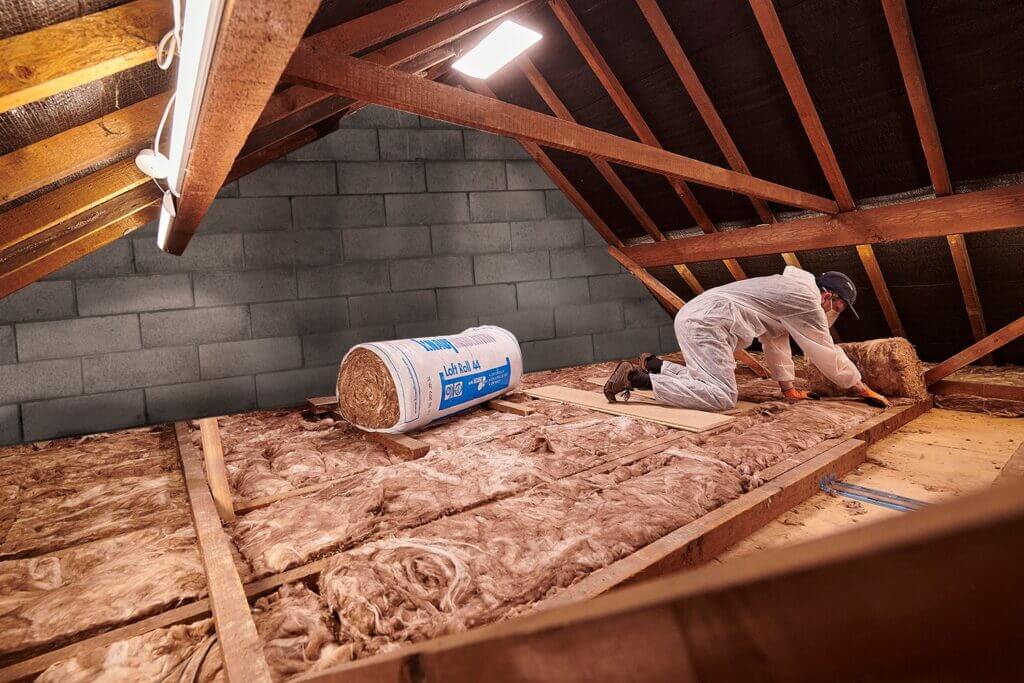
Achieving complete attic wildlife prevention requires removing bio-contaminated materials under negative-air containment, sanitizing the attic framing with antimicrobial enzyme treatments, and re‑insulating the thermal envelope. Upgrading contaminated spaces with thermal and pest‑resistant TAP insulation provides superior thermal efficiency while incorporating a specially formulated borate treatment that controls self‑grooming insects on contact. Readers can learn more by reviewing our guide on attic contamination cleanup in Melbourne FL to understand the complete decontamination protocol.
Securing Your Space Coast Property: Long-Term Defense and Professional Next Steps
Fortifying your Melbourne residence against seasonal wildlife incursions requires a methodical approach.
Additionally, it couples thorough roofline inspections with structural exclusion, canopy trimming, and attic sanitization.
Additionally, Central Florida’s coastal weather tests building materials through humidity and UV exposure.
Temporary repellents cannot substitute for architectural defenses.
If you suspect animals have compromised your roofline or want to safeguard your property before seasonal wildlife activity peaks, collaborate with the certified technicians at Florida Wildlife and Pest Management. Our Space Coast team delivers comprehensive property assessments, humane extractions, custom-fabricated steel exclusion barriers, and full attic restoration. Contact our local office today to schedule your comprehensive on-site evaluation and protect your home for the seasons ahead.
Frequently Asked Questions About Melbourne Wildlife Control
What is the most effective fall wildlife proofing method for Melbourne FL homes?
Complete physical exclusion using 26-gauge galvanized steel flashing, stainless steel hardware cloth, and elastomeric sealants is the only proven permanent method. Ultrasonic devices and chemical repellents provide zero structural barrier protection, as wild animals quickly habituate to sensory irritants when seeking storm shelter.
Why do roof rats and squirrels enter Brevard County attics during autumn?
Following late-season tropical weather, nighttime temperatures in Melbourne dip into the 50s and 60s. Warm air escaping through soffits and ridge vents creates thermal plumes that guide roof rats, squirrels, and raccoons directly to construction gaps as they seek dry, predator-safe winter nesting sites.
Can I legally remove bats from my Melbourne home during the fall?
Yes. Florida law prohibits excluding or disturbing bats during their maternity season from April 16 through August 14. Once the maternity season closes on August 15, autumn offers the legal window to install certified one-way exclusion valves, allowing bats to safely exit at dusk without returning.
How do I know if animals are living inside my attic or crawl space?
Common signs include nocturnal scratching or heavy thumping overhead, chewed electrical wiring, displaced insulation, and unexplained ammonia odors. Scheduling a professional wildlife inspection accurately identifies nesting species and maps all hidden structural entry points across the property.
What are the health risks associated with animal feces in the attic?
Animal feces and urine present severe health risks according to CDC guidelines on animal-borne pathogen safety. Raccoon droppings harbor roundworm eggs, bat guano can spread histoplasmosis fungal spores, and rodents spread leptospirosis. Professional HEPA extraction and sanitization are necessary to protect indoor air quality.