
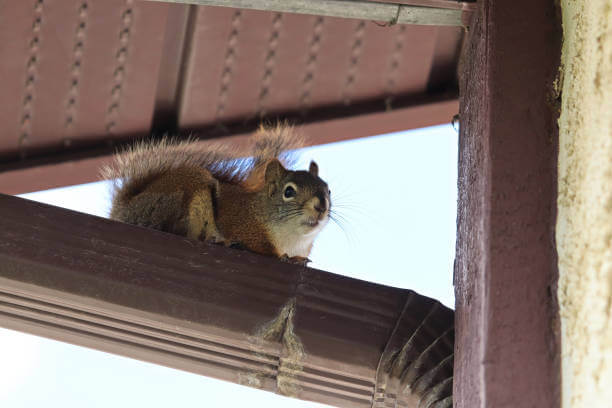
If you’ve started hearing quick scurrying above the ceiling at dawn, or you’ve noticed light scratching that turns into a steady “back-and-forth” sound at night, there’s a real chance you’re dealing with squirrels in Florida that have moved into the warmest, safest part of your home, and birthing season is the exact time they’re most motivated to stay put and defend that space. In Florida’s mild climate, squirrels commonly time their litters around warmer periods, and homeowners often discover the problem when a mother has already built a nest (drey) inside an attic, which makes squirrel removal more delicate because the goal is to solve the issue without leaving babies behind and without creating a frantic re-entry cycle that leads to more chewing, more noise, and more damage.
Florida’s Space Coast Advantage: Why Brevard & Indian River Homes Attract Wildlife
Florida’s coastal communities—especially along the Space Coast—offer a unique blend of warm temperatures, lush tree cover, and neighborhoods built close to natural corridors like the Indian River Lagoon and barrier island habitats, which support an impressive variety of wildlife year-round. Brevard County’s barrier island region is known for diverse habitats where subtropical and temperate influences meet, and that biodiversity is part of what makes the area so special, but it also means homeowners can experience more frequent attic visitors when animals look for shelter during weather shifts or breeding cycles. In places like Melbourne and surrounding areas, small local businesses play a big role in protecting homes while respecting wildlife, and that’s where Florida Wildlife and Pest Management steps in—serving Brevard and Indian River Counties with inspections, humane wildlife removal, and long-term exclusion so families can enjoy Florida living without sharing their attic with squirrels.
Squirrels in Florida + Birthing Season: Why “Wait and See” Usually Backfires
During birthing season, a female squirrel’s priorities are simple: stay warm, stay hidden, and keep returning to the nest with food, which is why an attic becomes the perfect headquarters, especially if entry points are easy—like roofline gaps, vents, fascia corners, soffit returns, or spots where storms and sun exposure have weakened building materials. Squirrels can have more than one litter per year, and infestations often peak when pups are present because the mother repeatedly travels in and out, widening entry holes over time and leaving behind nesting material, urine, and debris that can create odors and contamination concerns.
This is also the season when DIY attempts tend to create the worst outcomes, because if you block the wrong opening at the wrong time, you can accidentally trap babies inside, trigger frantic chewing, or force squirrels to find a new exit—often through drywall or into wall cavities—turning a manageable situation into a costly repair project.
Squirrel Pest Control vs. Squirrel Removal: What Actually Works in Florida Homes
A lot of homeowners search “squirrel pest control” expecting a spray, bait, or one-time treatment, but squirrels aren’t like insects where a chemical barrier solves the issue; real squirrel control is a process that combines inspection, humane removal, and (most importantly) exclusion, meaning the home is sealed so the same squirrels—or the next ones—can’t reclaim the attic next week. Florida Wildlife and Pest Management emphasizes prevention as strongly as removal, because lasting results come from closing entry points and addressing the conditions that made the attic attractive in the first place.
Squirrel Removal in Florida: Signs You Might Have Babies in the Attic
If you suspect you’re hearing “more than one animal,” you might be right, but the pattern matters more than the volume, and birthing season usually produces a few recognizable clues:
- Thumping or rolling sounds that happen in short bursts, often early morning, as the mother moves nesting material and navigates rafters
- Light repetitive scratching from one area (a nest zone), rather than random movement across the whole attic
- Entry/exit repetition near the same roofline corner, vent, or fascia gap, especially around sunrise and late afternoon
- New stains or odors near attic access points, which can indicate nesting and waste buildup
Because squirrels can chew aggressively to expand openings, waiting often increases the odds of wiring damage, insulation disturbance, and secondary pests attracted to nesting debris.
Why Squirrel Control Must Include Wiring + Health-Risk Awareness
Even if the squirrels seem “small,” the risk isn’t, because attic invasions aren’t just noise problems—they’re structure and safety problems, especially when chewing starts. Squirrels and other rodents can damage materials as they move and nest, and cleanup should be handled carefully because droppings and urine can create health risks when disturbed, particularly in enclosed spaces like attics, where particles can become airborne during sweeping or vacuuming. The CDC’s guidance for rodent cleanup emphasizes wetting droppings/urine with disinfectant and using protective gear rather than dry sweeping, because dry cleanup can spread contaminants into the air.
If you’re not equipped to clean and sanitize safely, it’s smarter to focus on containment (keeping living spaces sealed and minimizing attic disturbance) until removal and cleanup are done properly.
Squirrel Removal + Wildlife Rules in Florida: Why Humane Methods Matter
Florida homeowners are often surprised to learn that nuisance wildlife issues have rules and best practices around handling, trapping, and relocation, and the safest approach is to use experienced pros who understand how to remove animals humanely while keeping you compliant. The Florida Fish and Wildlife Conservation Commission (FWC) provides nuisance wildlife guidance for property owners, and UF/IFAS notes legal requirements around what can be done with nuisance animals once trapped.
That’s one reason professional squirrel removal in Florida is so valuable during the birthing season: the plan should protect your home and prevent avoidable harm, especially when babies are involved.
Squirrel Pest Control Checklist for Florida Homes During Birthing Season
If you’re trying to reduce risk right now (while you arrange an inspection), these steps can help without escalating the situation:
Squirrel control step 1: Identify access routes without sealing blindly
Walk the perimeter and look for rub marks, chewed corners, or repeated activity near vents and rooflines, but avoid sealing holes if you suspect babies are inside, because that can trap pups and cause frantic damage.
Squirrel control step 2: Reduce easy food draws
Bird feeders close to the roofline, accessible pet food, and open garbage can all make a home “worth revisiting,” so create distance between food sources and your structure where possible.
Squirrel control step 3: Limit attic disturbance
Avoid loud banging, fogging sprays, or strong repellents in enclosed spaces, because stressed squirrels may chew faster, and birthing-season mothers may become more aggressive about re-entry attempts.
Squirrel control step 4: Plan for exclusion that actually lasts
Lasting protection typically comes from chew-resistant repairs and sealing entry points across rooflines, vents, and small gaps, which is exactly what a structured exclusion service is designed to do.
Squirrel Removal in Florida with Florida Wildlife and Pest Management: What the Process Typically Looks Like
A professional approach usually starts with a detailed inspection, because successful squirrel pest control depends on knowing how they’re entering, where they’re nesting, and whether babies are present. Then, removal is paired with an exclusion plan that seals entry points and reduces the chance of repeat infestations. Florida Wildlife and Pest Management specifically highlights inspection, prevention, and long-term solutions (not just a quick removal), and offers animal exclusion work that targets rodents, including squirrels.
FAQ: Squirrel Removal, Squirrel Pest Control, and Squirrel Control in Florida
How do I get rid of squirrels in my attic in Florida during the birthing season?
The safest option is professional squirrel removal paired with exclusion, because birthing season increases the chance of babies in the nest, and sealing the wrong opening too early can trap pups and trigger destructive chewing; pros confirm entry points, remove squirrels humanely, then seal the home so squirrels can’t return.
What months are squirrel babies most common in Florida?
Many sources describe two main birthing periods tied to breeding cycles, commonly showing spring and late-summer timing, with homeowners often noticing activity around March–April and late August–September depending on local conditions.
Is squirrel pest control different from squirrel removal?
Yes, because squirrel pest control should include prevention, not just removal; lasting squirrel control focuses on identifying entry points, safely removing the animals, and completing exclusion work so future squirrels can’t access attic spaces again.
Are squirrels in Florida dangerous to have in the house?
They can be, mainly because attic nesting can lead to contamination in insulation and risky cleanup conditions, and squirrels may chew structural materials or wiring; if you suspect droppings or nesting debris, follow safe cleanup guidance like the CDC’s wet-disinfection approach rather than dry sweeping.
Will squirrels come back after removal?
They often try to find entry points that aren’t sealed, which is why exclusion is the difference between a one-time fix and long-term protection; sealing gaps and reinforcing common entry areas is a core part of effective squirrel control.
Who should I call for squirrel removal in Brevard County or Indian River County?
Florida Wildlife and Pest Management serves Brevard and Indian River Counties and provides squirrel removal and exclusion-focused prevention; you can start with their squirrel service page or contact form to schedule an inspection.