Understanding Wildlife Infestation in Florida Homes
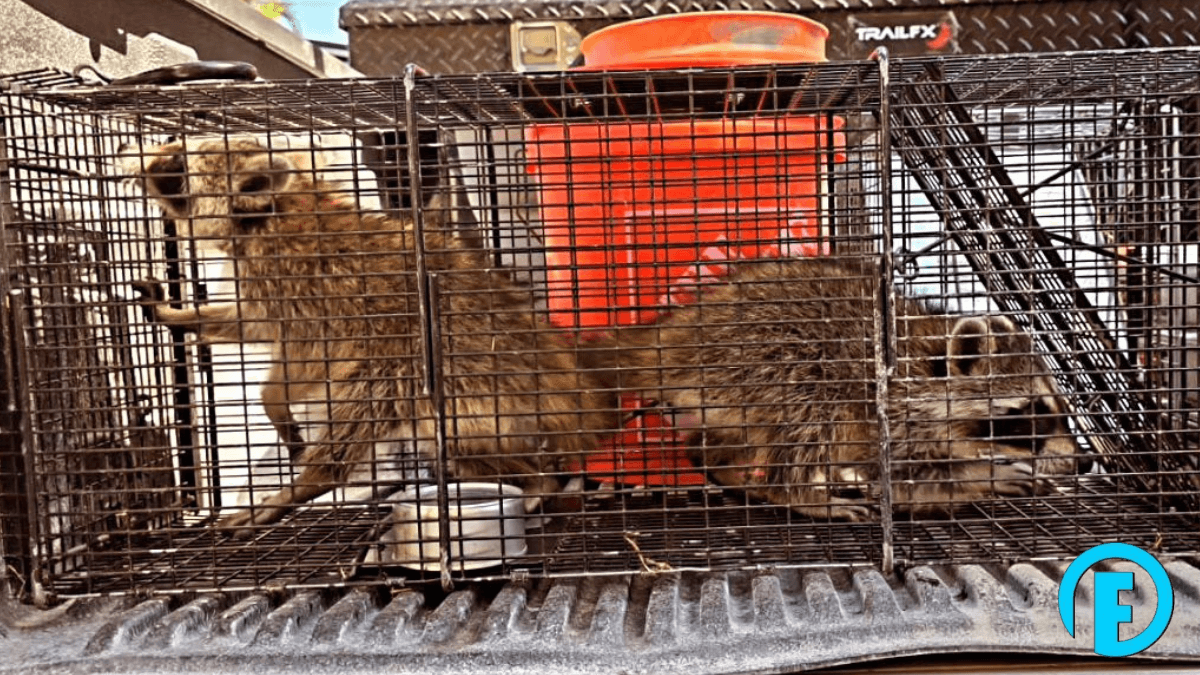
Florida’s climate supports a wide range of wildlife species that quickly become household intruders when they find access points around roofs, soffits, crawlspaces, and attics, and because many Florida pests are nocturnal and extremely quiet when nesting, homeowners may overlook early warning signs until the situation becomes severe, which is why knowing the top indicators of a wildlife infestation in Florida can prevent costly structural damage and health risks.
Florida Pests Most Likely to Enter Homes
Many animals thrive in Florida neighborhoods, but several species are responsible for the majority of infestations, including:
- Raccoons seeking warm attic spaces
- Squirrels nesting inside insulation
- Rats and mice are entering through tiny gaps
- Opossums accessing crawlspaces and garages
- Bats roosting in rooflines
- Snakes are entering through openings around foundations
- Armadillos digging around lawns and foundations
Understanding the behavior of these species makes it easier to identify the earliest signs of animals before damage escalates.
Attic Noises and Scratching Sounds During Day or Night
One of the most common early indicators of a wildlife issue is hearing strange attic noises, such as scratching, thumping, gnawing, or scampering across the ceiling, especially at dawn or dusk, which often signals the presence of squirrels, rats, raccoons, or opossums that have already created a nesting zone inside the attic insulation, ventilation lines, or roof decking.
Why Attic Noises Should Never Be Ignored
Attics offer warmth, safety, and quiet, making them ideal nesting locations for wildlife, but once animals settle in, they can chew electrical wires, damage insulation, create foul odors, contaminate surfaces with feces, and weaken structural materials, turning a simple noise into a costly long-term problem.
Visible Droppings, Tracks, or Smudge Marks Around Entry Points
When wildlife invades your home, it leaves behind evidence such as droppings in the attic, greasy rub marks along walls, or small footprints around corners, soffits, and crawlspaces, all of which are clear signs that animals are frequently using specific entry routes. And because droppings carry bacteria and parasites, they should only be handled by trained wildlife technicians.
Common Florida Pest Droppings to Watch For
- Rodent droppings: small, pellet-shaped
- Raccoon feces: larger and cylindrical
- Bat guano: crumbly and often found below roof gaps
- Opossum droppings: similar to small dog waste
If you see any of these, your home is already facing a wildlife infestation in Florida, and immediate inspection is recommended.
Strange Smells Coming From Walls, Attics, or Vents
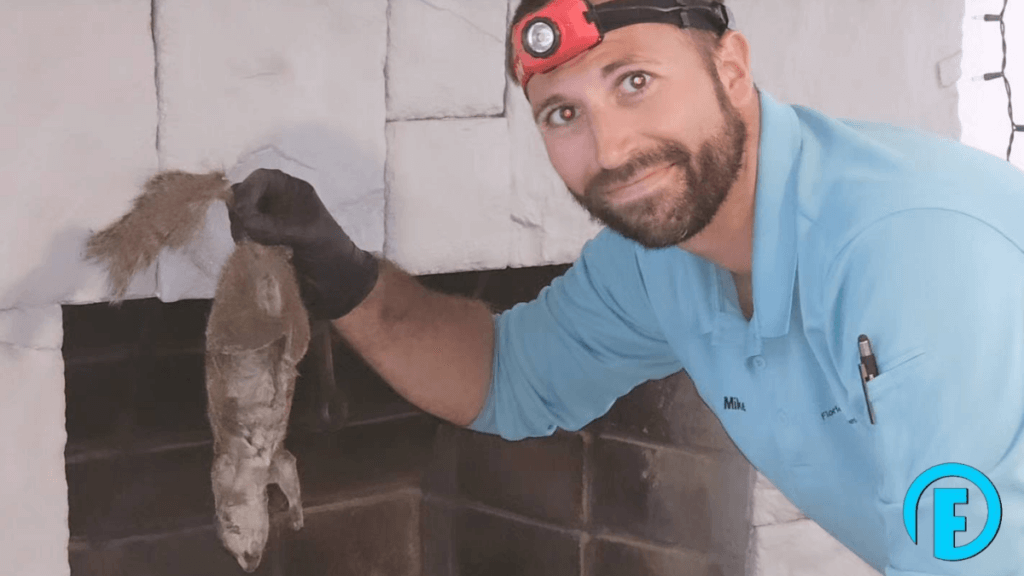
Strong odors coming from your attic, vents, or behind drywall can indicate animal urine, nesting materials, trapped pests, or even decomposing wildlife, and because Florida’s humidity intensifies these smells, homeowners often notice them quickly, especially during hot afternoons.
Why Odors Matter
Odors are often one of the earliest and most serious signs of animals inside your home because they usually signal prolonged activity or hidden nests, and ignoring them can lead to airborne bacterial exposure or further contamination of insulation and ventilation systems.
Damaged Screens, Roof Gaps, and Chewed Entry Points
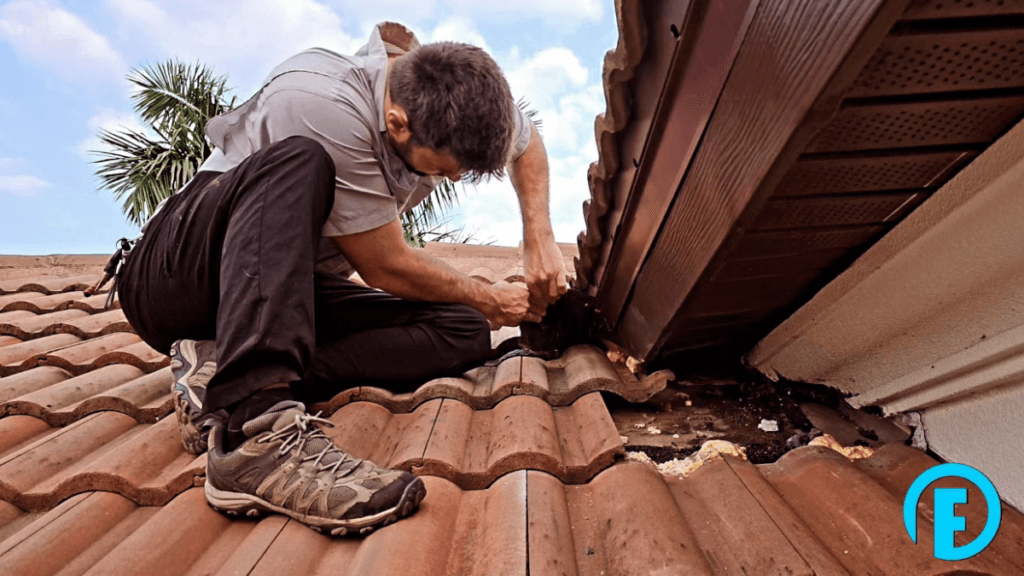
When wildlife tries to enter, it often leaves behind visible structural damage, such as torn soffits, lifted shingles, chewed wiring, ripped ventilation screens, or damaged roof corners, and in Florida, storms or hurricanes often weaken these areas, making wildlife intrusion even easier.
High-Risk Areas in Florida Homes
- Roofline gaps
- Loose siding
- Torn crawlspace screens
- Cracked soffits
- Vents without covers
These areas should be checked regularly, and if damage is discovered, contact Florida Wildlife and Pest Management for a professional inspection.
Unusual Pet Behavior Around Walls, Attics, or Specific Rooms
Dogs and cats often detect wildlife long before humans do, so if your pets suddenly show interest in one part of the home, bark at ceilings, or scratch at baseboards, it may indicate hidden wildlife activity.
Why Pets Detect Wildlife Early
Animals such as raccoons, rats, squirrels, and bats produce subtle sounds and scents that pets react to instantly, making unusual pet behavior a valuable early clue of a wildlife infestation in Florida.
Increased Outdoor Activity: Digging, Tracks, or Damage Around the Yard
Before wildlife enters a home, it typically explores the yard, leaving signs such as holes, overturned mulch, damaged screens, disrupted gardens, or burrows around the foundation, especially with armadillos, raccoons, and opossums that thrive in Florida’s outdoor environment.
Outdoor Indicators to Watch For
- Holes or burrows near the foundation
- Torn garden beds
- Tracks near doors or garages
- Scratches or chew marks on exterior siding
Catching these outdoor signs early can prevent animals from eventually entering your home.
How Florida Wildlife and Pest Management Helps Homeowners Stay Protected
Residents throughout Florida rely on Florida Wildlife and Pest Management because local technicians understand the regional behaviors of Florida pests, seasonal migration patterns, and the structural vulnerabilities of Florida homes, allowing the team to deliver specialized inspection, humane removal, attic restoration, wildlife exclusion, and long-term prevention services tailored specifically to local needs.
Local Expertise Makes the Difference
Unlike national chains, a local Florida wildlife specialist understands community-specific challenges, such as:
- Coastal humidity that attracts rodents
- Palm tree proximity encourages raccoon nesting.
- Older home construction allows easy attic access.
- Subtropical weather patterns that drive animals indoors
Their knowledge allows them to identify problems quickly and apply solutions built for Florida’s unique wildlife ecosystem.
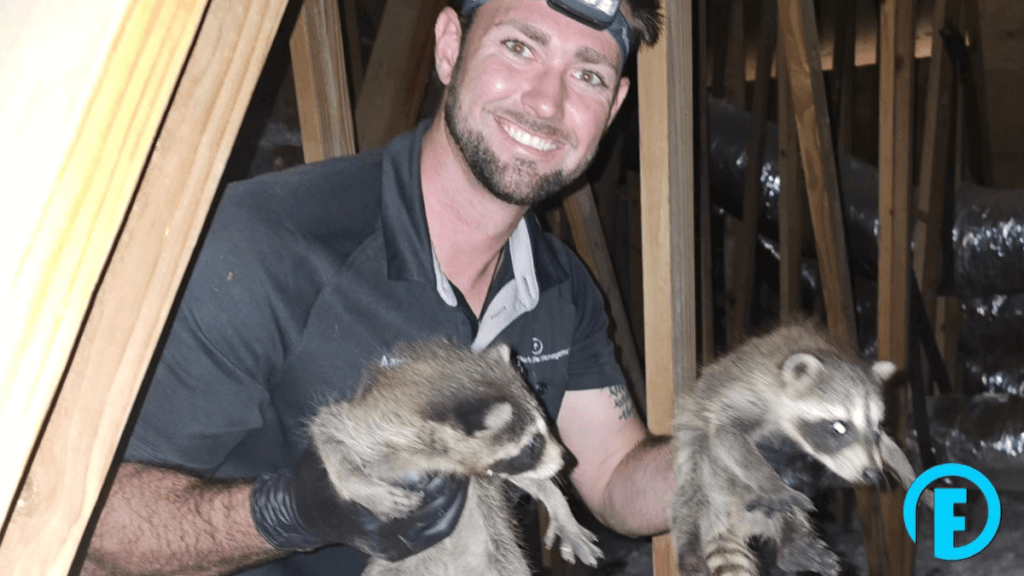
Preventing a Wildlife Infestation in Your Florida Home
Steps Homeowners Can Take
- Seal roofline gaps and soffits.
- Install wildlife-proof vent screens.
- Trim tree branches touching the roof
- Store pet food securely
- Keep garbage bins sealed.
- Schedule yearly attic and exterior inspections.
Why Prevention Is Critical in Florida
Because the state’s warm climate allows wildlife to remain active almost all year, prevention is not optional; it is a necessity for protecting both your home and your family.
Why Professional Wildlife Infestation Services Matter for Florida Homeowners
Florida homeowners face unique challenges due to the state’s warm climate, dense vegetation, and constant activity of raccoons, rodents, squirrels, bats, opossums, and other Florida pests, which means that even the smallest signs of animals – such as attic noises, damaged soffits, droppings, or unusual smells – should be addressed immediately before the situation escalates, and this is exactly why working with a trusted local expert like Florida Wildlife and Pest Management is essential, as their team understands the behavior patterns, seasonal movement, and nesting habits of wildlife in the region, allowing them to quickly identify the source of a wildlife infestation in Florida, seal entry points, restore attic insulation, remove contamination, and implement long-term prevention strategies that protect your home and family; ultimately, investing in professional wildlife control not only safeguards your property but also provides peace of mind knowing you’re partnering with a company that truly understands the unique structure, climate, and wildlife conditions of Florida neighborhoods.
FAQs About Wildlife Infestation in Florida Homes
What is the most common wildlife infestation in Florida?
Raccoons, rats, squirrels, bats, and opossums are the most common intruders due to Florida’s warm climate and abundant natural habitat.
Why do I hear attic noises at night?
Attic noises often come from nocturnal animals like raccoons or roof rats, which become active at night and move through insulation and roofing materials.
Are wildlife droppings dangerous?
Yes, droppings contain bacteria, parasites, and pathogens, and should only be handled by certified wildlife removal professionals.
How fast can wildlife damage my home?
Rodents and raccoons can cause significant damage in just a few days, especially if they begin chewing wires or nesting inside insulation.
Who should I contact for wildlife removal in Florida?
The safest option is to call Florida Wildlife and Pest Management, as they specialize in humane, effective wildlife removal and prevention across Florida neighborhoods.
How do I know if wildlife is living in my attic or just passing through?
If you consistently hear attic noises, discover fresh droppings, notice disturbed insulation, or smell strong odors, these are strong indicators that wildlife is actively nesting rather than simply exploring the space.
Can Florida wildlife cause health risks inside my home?
Yes, many Florida pests carry bacteria, fleas, mites, and viruses that can spread through droppings, urine, or physical contact, making prompt professional removal essential for your family’s safety.
What time of year are wildlife infestations most common in Florida?
Wildlife activity increases during cooler months, heavy rainy seasons, and hurricane periods when animals search for shelter, although Florida’s climate keeps wildlife active almost year-round.
Should I try to remove wildlife from my home myself?
DIY wildlife removal is unsafe and not recommended, as animals may bite, scratch, or carry diseases; professional services ensure safe, humane, and legally compliant removal.
How quickly can Florida Wildlife and Pest Management respond to an infestation?
Response times vary by location, but the company typically offers fast inspections and timely service to prevent further damage, with emergency options available for urgent situations.