
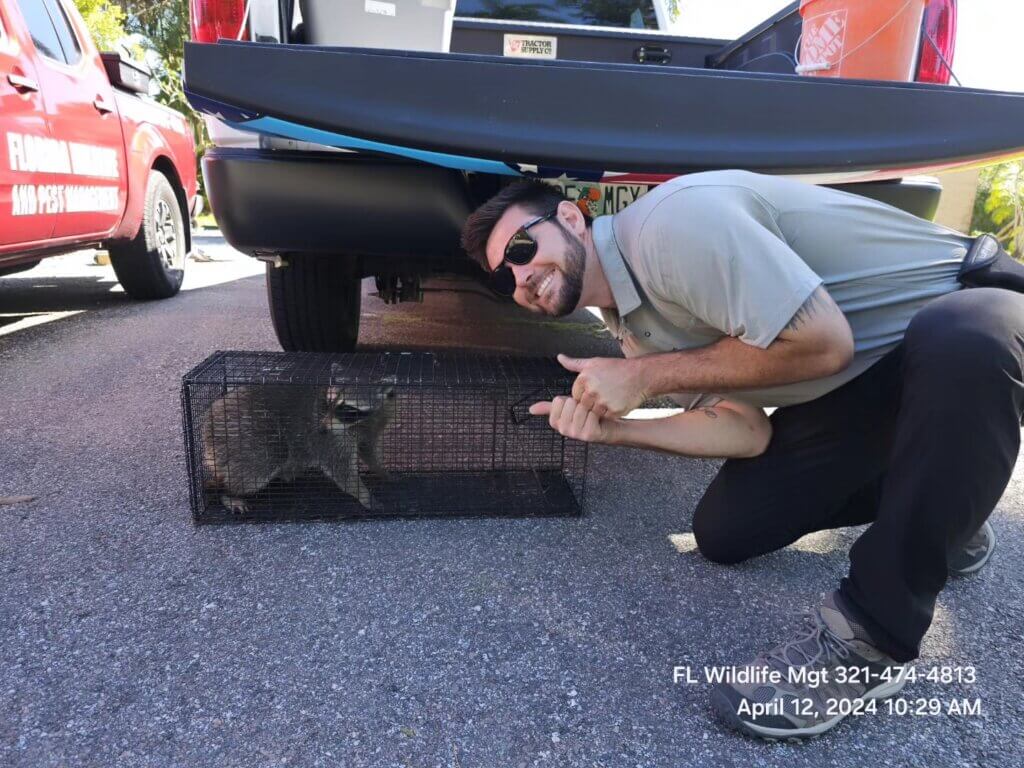
Understanding Wildlife Infestation in Florida Homes
Raccoons are one of the most common wildlife intruders affecting homes across Florida, and when they gain access to attics, the resulting damage can escalate quickly, quietly, and expensively if not handled by trained professionals. At Florida Wildlife Management, we regularly help homeowners who discover raccoons nesting in their attics due to Florida’s warm climate, expanding residential development, and year-round wildlife activity.
Because raccoons are highly adaptable animals that rarely leave once they establish a nesting site, professional raccoon removal in Florida is essential for protecting attic insulation, roof structures, indoor air quality, and overall home safety. Understanding why raccoons target attics, how raccoon attic damage develops, and how Florida Wildlife Management provides humane and long-term solutions allows homeowners to take action before the problem worsens.
Why Raccoons Target Attics in Florida Homes
Florida provides ideal conditions for raccoons to thrive, as mild winters allow them to remain active throughout the year rather than slowing down seasonally as they do in colder states. Attics offer raccoons warmth, protection from predators, and quiet, elevated spaces that are perfect for nesting, especially for female raccoons raising their young.
Small openings along rooflines, damaged soffits, attic vents, loose shingles, or construction gaps are often enough for raccoons to enter a home. Once inside, raccoons can easily widen these openings using their strength and sharp claws, causing additional structural damage in the process. This behavior is why raccoons rarely leave on their own and why professional raccoon removal Florida services are necessary to resolve the issue properly.
Florida’s Environment, Communities, and Wildlife Conflicts
Florida is home to a wide range of cities, towns, and suburban neighborhoods that coexist with wetlands, forests, and green spaces, creating constant interaction between homeowners and wildlife. From Central Florida communities to coastal areas near water sources, raccoons adapt easily to residential environments where food and shelter are readily available.
What makes Florida unique is this close balance between development and nature, where wildlife encounters are common rather than occasional. As a Florida-based wildlife removal company, Florida Wildlife Management understands how local climate conditions, building styles, and wildlife behavior contribute to recurring attic infestations. This behavior is why raccoons rarely leave on their own and why professional raccoon removal in Florida is necessary to resolve the issue properly.
Signs You Need Raccoon Removal in Your Florida Attic
Raccoons are nocturnal animals, which means attic activity often becomes noticeable during nighttime hours when homeowners hear loud thumping, scratching, or dragging sounds above ceilings. These noises are frequently mistaken for rodents until visible damage or strong odors appear.
Other common signs include torn or flattened insulation, raccoon droppings concentrated in attic areas, persistent urine odors, and visible damage along roof edges or soffits. In more advanced cases, stains may appear on ceilings as waste and moisture seep through insulation into drywall. When these signs appear, raccoon attic damage is already progressing and should be addressed immediately by professionals.
How Raccoon Attic Damage Affects Florida Homes
Raccoon attic damage goes far beyond surface-level destruction and often impacts the safety, efficiency, and health of a home. Raccoons tear insulation to create nesting areas, which reduces energy efficiency and increases cooling costs during Florida’s hot and humid months.
They may also chew electrical wiring, creating serious fire hazards, and damage ductwork, allowing contaminated air to circulate throughout the home. In addition, raccoon droppings can carry parasites such as raccoon roundworm, which poses health risks when spores become airborne.
According to the Centers for Disease Control and Prevention (CDC), exposure to raccoon roundworm can be dangerous, particularly for children and pets, making professional cleanup an essential step after removal.
Why DIY Raccoon Removal Is Risky in Florida
Many homeowners attempt DIY raccoon removal using traps, repellents, or noise deterrents, only to find the problem returns within weeks. In Florida, improper raccoon removal can violate wildlife regulations and often results in baby raccoons being left behind in attics, leading to severe odor, contamination, and insect infestations.
DIY methods also fail to address attic entry points, which means raccoons or other wildlife can easily return. Additionally, raccoons may become aggressive when threatened, increasing the risk of injury. Professional raccoon removal in Florida focuses on safety, legality, and long-term prevention rather than short-term fixes.
Humane Raccoon Removal Florida Services by Florida Wildlife and Management
At Florida Wildlife Management, humane raccoon removal is the foundation of every service we provide. Our process begins with a detailed attic and exterior inspection to identify entry points, nesting areas, and signs of baby raccoons, which is critical for ethical and effective removal.
Rather than using harmful traps or illegal relocation methods, our humane techniques allow raccoons to exit safely while ensuring babies are handled properly and in compliance with Florida wildlife laws. Once removal is complete, we repair damaged areas, seal access points, and sanitize contaminated attic spaces to prevent future infestations.
Preventing Raccoons From Returning to Florida Attics
Effective raccoon control does not end with removal, especially in Florida, where raccoon activity remains constant throughout the year. Homeowners should trim tree branches away from roofs, secure trash bins, and avoid leaving pet food outdoors overnight.
Professional exclusion services provided by Florida Wildlife Management reinforce vulnerable areas such as attic vents, chimneys, and soffits using durable materials designed for Florida’s weather conditions. These preventative measures significantly reduce the risk of repeat infestations.
Why Homeowners Trust Florida Wildlife Management
Florida Wildlife Management is a locally trusted provider offering raccoon removal services tailored specifically to Florida homes and wildlife behavior. With extensive hands-on experience addressing raccoon attic damage across the state, our team understands how Florida’s environment, regulations, and construction styles influence effective wildlife control.
By focusing on humane removal, attic restoration, and long-term exclusion, we help homeowners protect property value, improve indoor safety, and regain peace of mind. region, allowing them to quickly identify the source of a wildlife infestation in Florida, seal entry points, restore attic insulation, remove contamination, and implement long-term prevention strategies that protect your home and family; ultimately, investing in professional wildlife control not only safeguards your property but also provides peace of mind knowing you’re partnering with a company that truly understands the unique structure, climate, and wildlife conditions of Florida neighborhoods.
Frequently Asked Questions About Raccoon Removal in Florida
How common are raccoons in Florida attics?
Raccoon attic infestations are very common in Florida due to the warm climate, abundant food sources, and residential development near wildlife habitats.
Is raccoon removal legal in Florida?
Yes, raccoon removal is legal when performed in compliance with Florida wildlife regulations, which is why professional, humane removal is recommended.
Can raccoon attic damage increase energy bills?
Yes, damaged insulation and ductwork can significantly increase cooling costs, especially during Florida summers.
Are raccoons dangerous to humans or pets?
Raccoons can become aggressive if cornered and may carry parasites and bacteria that pose health risks.
What happens if baby raccoons are left in the attic?
Baby raccoons left behind can die and cause severe odor and contamination problems, which is why professional inspection is critical.
How long does raccoon removal take?
Most raccoon removal cases are resolved within a few days, depending on attic access and nesting conditions.
Will raccoons return after removal?
Without proper sealing and exclusion, raccoons can return, which is why preventative services are essential.
What time of year are wildlife infestations most common in Florida?
Wildlife activity increases during cooler months, heavy rainy seasons, and hurricane periods when animals search for shelter, although Florida’s climate keeps wildlife active almost year-round.
Does insurance cover raccoon attic damage?
Coverage varies by policy, so homeowners should document damage and consult their insurance provider.