Raccoons are intelligent and adaptable mammals that are native to North America.
They have a distinctive black mask around their eyes, a ringed tail, and thick fur that ranges from grayish-brown to reddish-brown.
Raccoons are highly adaptable and can be found living in a wide range of environments, including forests, wetlands, and urban areas.
Raccoons are omnivores, which means they eat both plant and animal matter. Their diet consists of a variety of foods, including fruits, nuts, insects, small animals, and garbage. They have a keen sense of smell and are able to use their nimble fingers to manipulate objects and open containers. Raccoons are also known for their intelligence and problem-solving abilities, which make them excellent scavengers.
Like brown rats, raccoons carry several pathogens and parasites that can be transmitted to humans. Notably, raccoons are carriers of the roundworm parasite Baylisascaris procyonis, which can be transmitted through contact with raccoon feces. This parasite can cause serious neurological damage or even death in humans. Additionally, raccoons are known carriers of rabies, a viral disease transmitted through bites or scratches from infected animals.
For more information on the health risks associated with raccoons, refer to the Centers for Disease Control and Prevention (CDC) resource on raccoon rabies.
Despite their adaptability and intelligence, raccoons face a number of threats to their survival. One of the biggest threats comes from human development, which has destroyed much of their natural habitat and forced them to live in urban areas. Raccoons are also sometimes hunted for their fur or killed as pests, which has led to declines in their populations in some areas.
Overall, raccoons are fascinating and adaptable animals that have a unique place in North American ecosystems. However, it is important to take precautions when interacting with raccoons or their habitats in order to minimize the risk of disease transmission and protect their populations for future generations.
Raccoons are very skilled at finding ways into homes, often through small openings such as vents, chimneys, or holes in the roof. They may also enter through open doors or windows. It is important to seal any potential entry points to prevent further raccoon intrusions.
If you find a raccoon in your house, it is important to stay calm and avoid direct contact with the animal. Close off the room where the raccoon is located and call a wildlife removal professional to safely remove the animal from your home.
Yes, raccoons can cause significant damage to homes, including tearing up insulation, chewing through wires, and leaving behind feces and urine that can lead to health problems. In Florida, raccoons are responsible for thousands of dollars in property damage each year. According to the Florida Fish and Wildlife Conservation Commission, raccoons can create extensive damage to roofs, attics, and insulation, necessitating costly repairs.
It is important to address raccoon intrusions promptly to prevent further damage.
For more information on the impacts of raccoons and effective management strategies, you can refer to the Florida Fish and Wildlife Conservation Commission: FWC Raccoon Information.
There are several steps you can take to prevent raccoons from entering your home, such as sealing any potential entry points. Every home is different and requires a detailed inspection of the home.
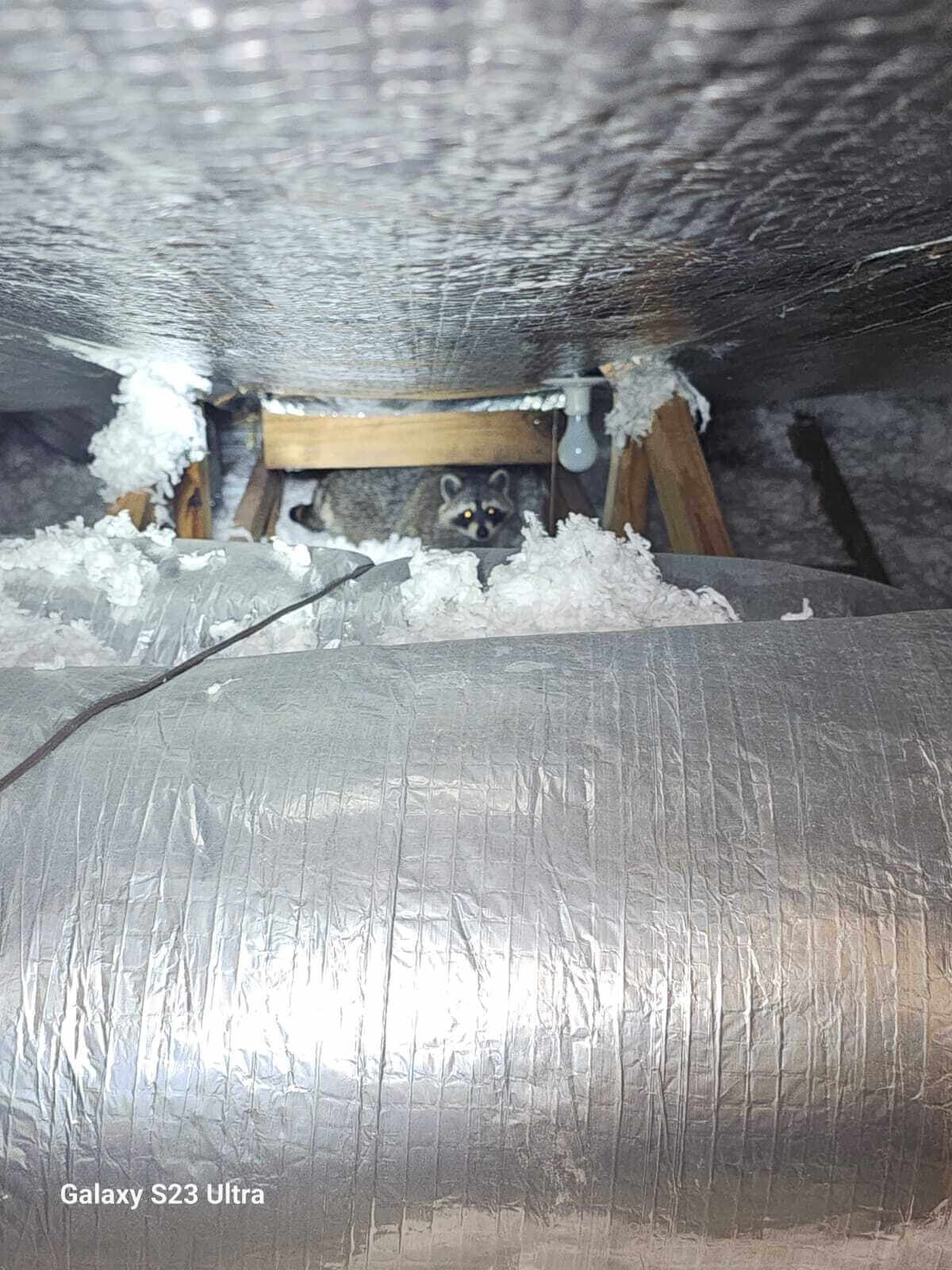
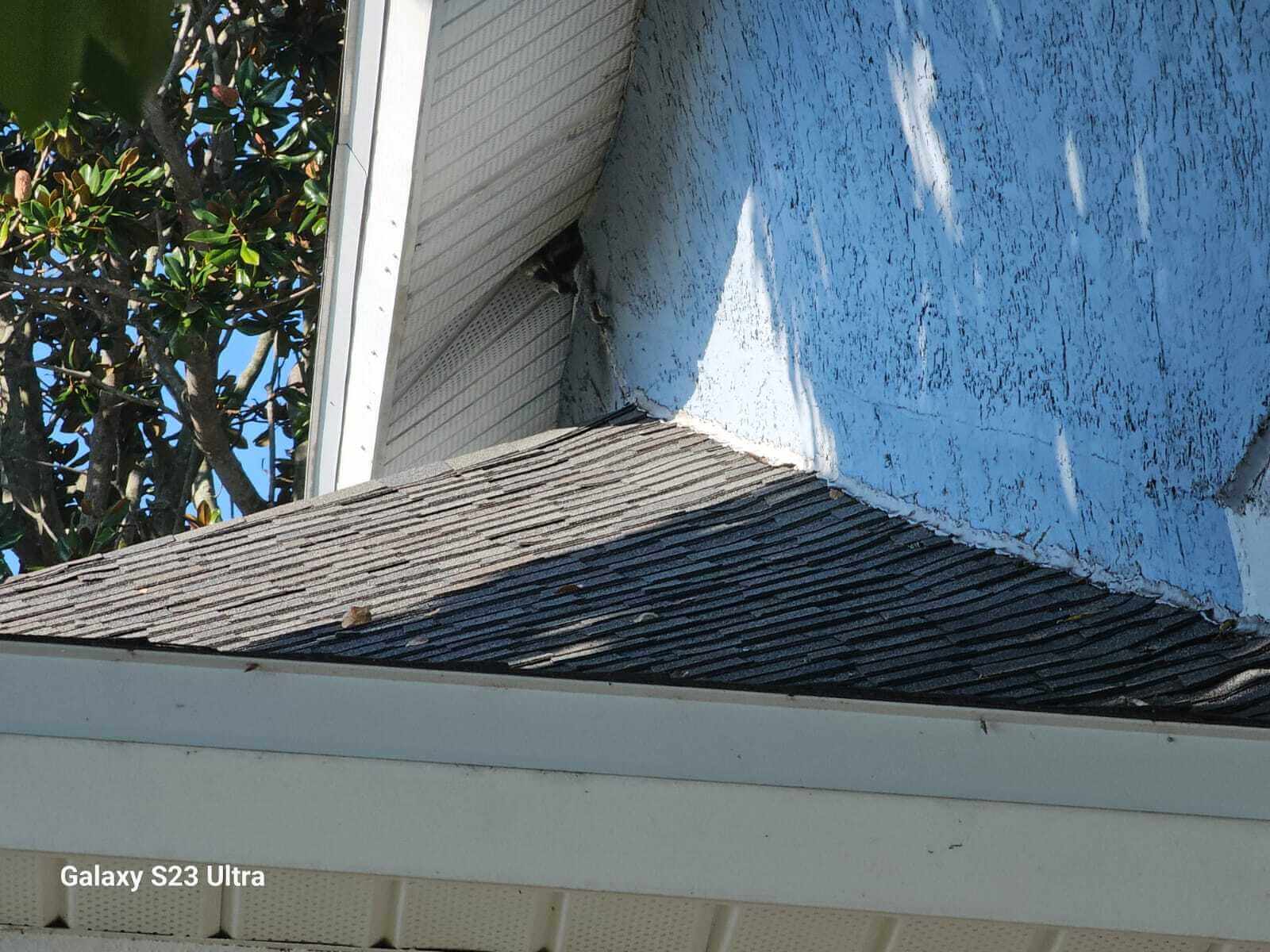
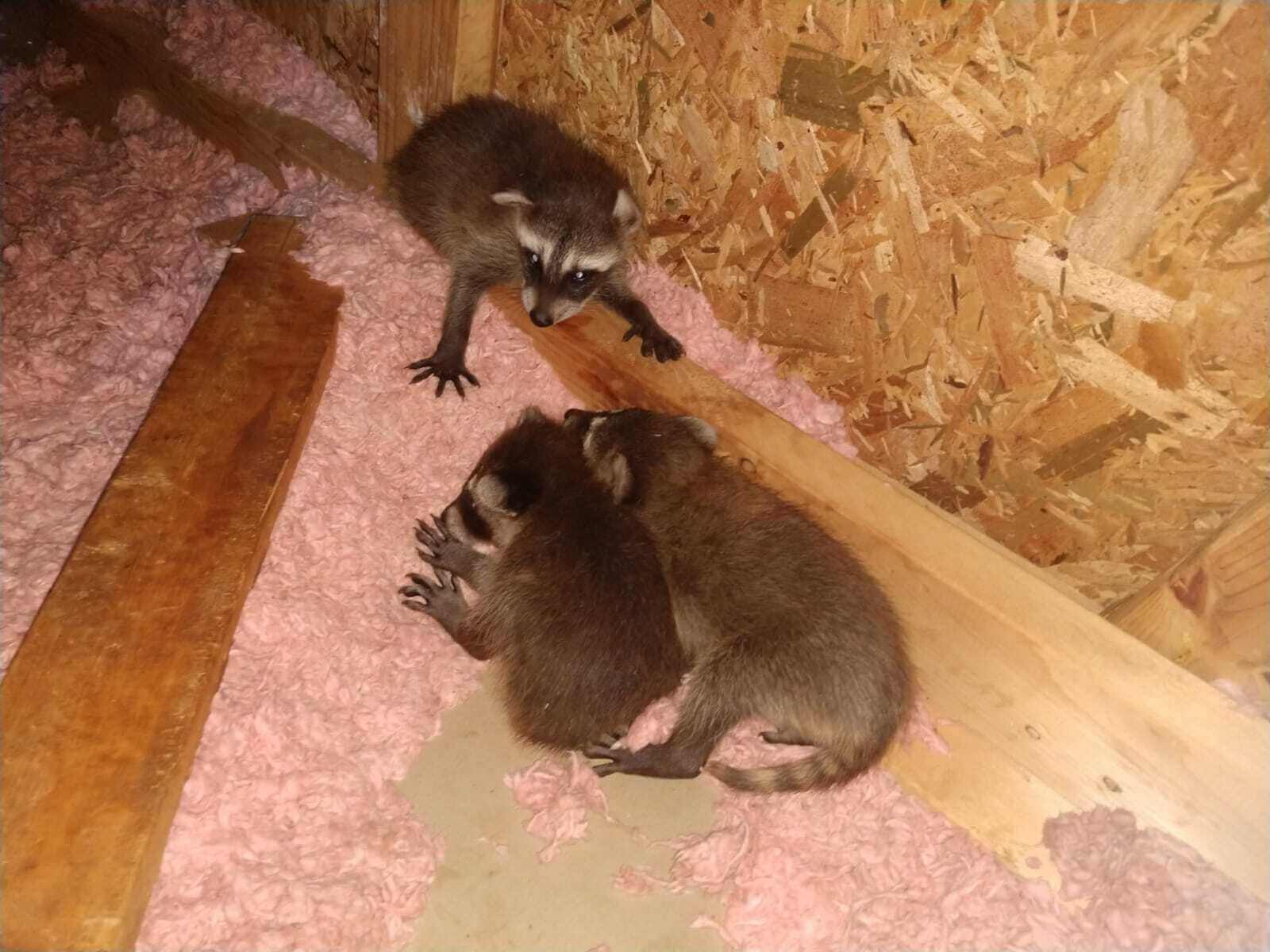
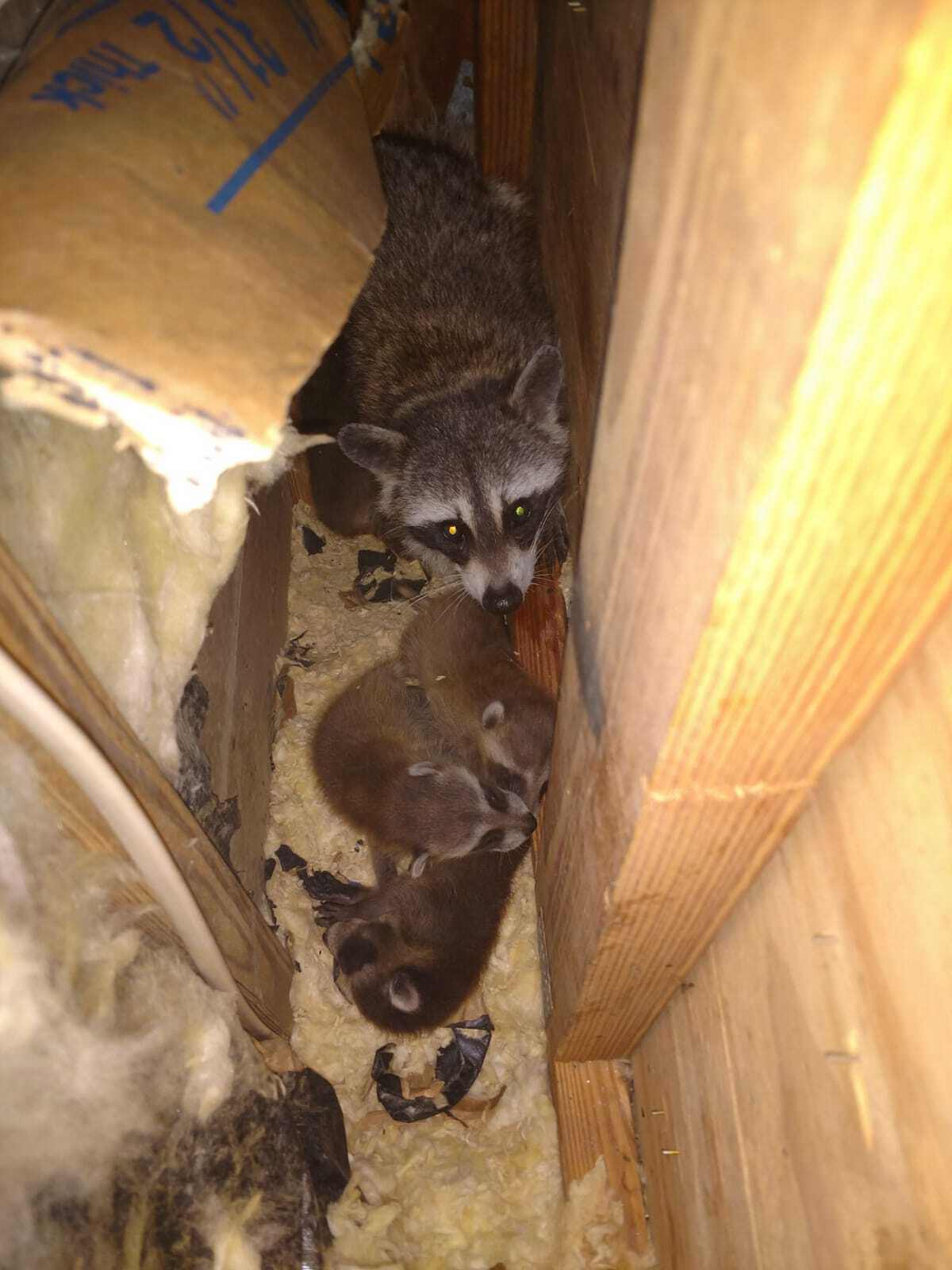
EXCELLENTTrustindex verifies that the original source of the review is Google. Very good, trust the company a lot.Posted on GoogleTrustindex verifies that the original source of the review is Google. Excellent service!!! There was a severe pest (mostly rats and at least one raccoon) problem in the house, which was vacant for many years, and they had their run of the place during that time. Trees and branches near the house provided a pathway to the attic, and the evaporation of water in the sewer traps provided an unimpeded tunnel inside the house through the toilets, as identified by Florida Wildlife and Pest Management (FWPM). The rats wreaked havoc throughout the house and in the attic, where they were joined by the raccoon(s). There were droppings in the house by the tens of thousands [and, therefore, urine too] over everything, the HVAC ductwork was destroyed, electrical wiring in the attic was chewed up, and the attic insulation was contaminated. The affected items had to be discarded or replaced, at significant expense. FWPM established a plan of action, to include setting traps, ensuring sewer traps do not dry out, replacing the soffit (which had large openings), applying a special seal to areas of the roof where wildlife tends to enter, sealing gaps in the foundation, and sealing other entry points in the house. They also bomb sanitized the house. From the roof to the foundation, the rodent problems have been resolved, and with regular monitoring by FWPM, while the house is vacant, those pests are not expected to return.Posted on GoogleTrustindex verifies that the original source of the review is Google. We had an outstanding experience with Florida Wildlife and Pest. From start to finish, their communication was excellent—they kept us informed every step of the way, were punctual, and took the time to thoroughly explain their findings and recommendations. They addressed our concerns regarding the soffits and ceiling where wildlife had been gaining access after another company had inadequately sealed the area. Not only did they correctly identify and resolve the problem, but they truly went above and beyond by repairing soffits that the previous company had failed to fix. They even took the extra step of matching the paint to our home's exterior, leaving everything looking seamless. The entire project was completed within a week, and the quality of workmanship exceeded our expectations. It's refreshing to work with a company that genuinely takes pride in doing the job right the first time. We are extremely pleased with the results and highly recommend Florida Wildlife and Pest to anyone looking for a knowledgeable, reliable, and professional team. Thank you for your exceptional service!Posted on GoogleTrustindex verifies that the original source of the review is Google. Awesome people and excellent service! Everything they said they would do, they did. They had no issues with returning time after time to get rid of all the rats. They were not going to stop until all was back at peace. I really appreciate all they did for me and my family.Posted on GoogleTrustindex verifies that the original source of the review is Google. Was home when the crew was working on a house across the street from me. I came out to a dead car battery, and went over to ask one of the crew, John, for some help. He came over right away and helped me with no questions asked and got me on my way. Says a lot about the employees working for this company. Super helpful and kind to lend a helping hand!Posted on GoogleTrustindex verifies that the original source of the review is Google. Fantastic experience with this company! I completed an online form early evening afyer finding rodent droppings in the garage. Within 30 minutes, I received a call back and a knowledgeable pest person visited the next morning. We chose to have traps for a week, and theu were checked 3 times. All staff members were friendly and answered our questions. Highly recommend this team!!Posted on GoogleTrustindex verifies that the original source of the review is Google. They were fantastic. They came and removed a raccoon that had been repeatedly entering my lanai via holes from a roof rat (now gone) chewing through my screens. Then James came a few days later and gave a free inspection of my attic to ensure no rats had gotten up there. They determined there were no signs of animal activity but he found 4 holes in the soffits that the builder had not sealed. At some point I will have them back to take care of that. They were prompt, friendly and professional. I would definitely call them again in the future if I have more problems.Posted on GoogleTrustindex verifies that the original source of the review is Google. Found raccoon going under our AC unit into crawlspace of our house..tried spray repellent..not effective. Called Fla Wildlife mgnt, Mike arrived quickly, baited it, set trap and <48hrs got em! Emil came asap and removed our "teen" young male raccoon! Thanks guys..awesome job! 🦝😁Posted on GoogleTrustindex verifies that the original source of the review is Google. Polite, honest, reliable, punctualPosted on GoogleTrustindex verifies that the original source of the review is Google. I don't think I ever work with a company that is more professional and on the ball than Florida Wildlife. We had a family of Raccoons in the attic and these guys solve the problem fast and efficiently. All of them got out quickly and safely babies included. No trapping! They seal up the entry point and any other potential future entry points on the house. They repair the damage done by the critter getting in. It seemed like a lot of money at first but in our opinion we got great value for the money we spent. We would use these guys again in a nano second. Though, I think that is unlikely because they did such a good job of sealing up any potential entery points. Thank you Florida Wild Life and Pest Management, Job well done!!!
The most common indicators of raccoons in Florida homes include loud thumping or scratching noises in the attic at night, visible damage to roof vents or soffits, and the presence of muddy paw prints on downspouts. You may also notice pungent odors from accumulated waste or overturned trash cans in your yard.
Florida's warm climate allows raccoons to remain active year-round, but they seek attics as elevated, quiet, and predator-free environments to raise their young. Attics provide ideal warmth and protection, especially for female raccoons during the breeding season.
While Florida law allows for the taking of nuisance wildlife under specific conditions, it is highly regulated by the Florida Fish and Wildlife Conservation Commission. Because of legal complexities and safety risks, [Florida Wildlife Management]([suspicious link removed]) recommends professional humane removal over lethal DIY methods.
Raccoons are known carriers of the roundworm parasite, which is transmitted through contact with their droppings and can cause severe neurological damage. They also carry rabies and leptospirosis, posing significant risks to your family and pets.
The cost of raccoon removal services varies based on the severity of the infestation, the number of entry points that need sealing, and the extent of attic damage. Complete solutions often include trapping, exclusion repairs, and sanitation.
The most common species is the North American raccoon (Procyon lotor), easily identified by its distinctive black "mask" and ringed tail. While variations in fur color from grayish-brown to reddish-brown exist, their behavior as intelligent, nocturnal scavengers remains consistent across the state.
While raccoons are nocturnal, seeing one during the day could indicate food scarcity or that it is a nursing mother. However, it can also be a sign of illness; you should keep a safe distance and contact a [wildlife removal near me]([suspicious link removed]) specialist immediately for assessment.
Effective wildlife exclusion Florida involves sealing all potential entry points with heavy-duty materials, trimming tree branches away from the roofline, and securing trash cans with locking lids. Regular roof inspections are critical to identifying weak spots before animals exploit them.
Raccoons contaminate attics with urine, feces, and nesting materials that harbor pathogens. Professional attic sanitation Florida is required to remove odors, neutralize bacteria, and restore indoor air quality.
In many cases, insurance may cover damage to the structure or attic insulation replacement caused by a sudden wildlife intrusion, but coverage for the actual removal of the animals varies. It is best to consult your policy and work with a professional company that provides detailed damage assessments.
Residents in Melbourne, Palm Bay, and Cocoa Beach should look for licensed professionals with local expertise in Florida-specific building styles. Florida Wildlife Management serves these areas with humane, long-term solutions.
Wildlife exclusion is the process of "animal-proofing" a home by sealing gaps in soffits, reinforcing vents with metal screening, and repairing roofline damage to prevent future re-infestation. This is the most critical step for a permanent solution.
The timeline depends on the number of raccoons present and the complexity of the repairs needed, typically ranging from a few days to a week. A thorough process includes an initial inspection, active trapping, and final exclusion repairs.

Your go-to source for residential and commercial wildlife removal. Be rodent-free!